Commercial sewing patterns are drafted for a single set of standardised body measurements, often described as the pattern's "fitting model." When an individual's measurements differ from those standards — in torso length, shoulder width, cup size, hip curvature, or limb length — the pattern pieces must be adjusted before cutting the final fabric. Making these adjustments on paper saves material and produces a garment that fits correctly without multiple rounds of fitting at the sewing machine.

Taking Body Measurements
Accurate body measurements are the foundation of pattern fitting. Measurements should be taken over fitted base layer clothing, with the measuring tape held parallel to the floor for horizontal measurements and straight along the body contour for vertical ones. Key measurements for most garment types include:
- Bust / Chest: Fullest circumference across the chest.
- Waist: Narrowest natural waist circumference.
- Hip: Fullest circumference around the seat, typically 18–23 cm below the waist.
- Back waist length: Vertical distance from the prominent neck vertebra (C7) to the natural waist.
- Shoulder width: Distance across the back between the shoulder points.
- Sleeve length: From shoulder point to wrist bone with arm slightly bent.
- Inseam (for trousers): From crotch to floor along the inner leg.
Pattern sizing in Polish and European publications typically follows European sizing conventions (36, 38, 40, etc.), which differ from UK and North American sizing. Before comparing measurements to a pattern, confirm which sizing system the pattern uses.
Understanding Pattern Ease
Commercial patterns include ease — the difference between the body measurement and the pattern's cut measurement at that point. Ease allows for comfortable movement and is categorised as wearing ease (the minimum needed for movement) and design ease (additional fullness that is part of the garment's intended silhouette). A close-fitting bodice might have 2–4 cm of bust ease, while a relaxed shirt may have 10 cm or more.
Pattern adjustments are made to the cut measurement, not to the body measurement. When adding width to a bodice, for example, the seam allowances remain unchanged and only the interior pattern area expands. Pattern markings such as grainlines and notches must be maintained after adjustment so that the piece assembles correctly.
Common Length Adjustments
The most frequent fitting issue for many sewers is torso length. Commercial patterns are often drafted for a body with a specific back waist length — commonly around 40–41 cm for adult sizes. If the actual back waist length differs, the pattern must be lengthened or shortened accordingly.
Lengthening or Shortening at Adjustment Lines
Pattern pieces for bodices, sleeves, and trousers typically include printed adjustment lines — horizontal lines positioned at points where the piece can be cut and spread (to add length) or folded flat (to remove length) without distorting the shape of critical seams. A standard adjustment is to cut across the adjustment line, spread the pieces the required amount separated by parallel lines, and tape a strip of paper into the gap. Grainlines must be realigned after spreading.
For trousers, both the rise (the area above the crotch seam) and leg length may require separate adjustments, as these measurements vary independently between individuals.
Adjusting Width
Width adjustments address differences in circumference measurements: full bust, waist, hip, and upper arm. Small adjustments of 2–4 cm in total (1–2 cm per half pattern piece, since patterns are typically printed for one half of the body) can sometimes be managed by adjusting seam allowances. Larger adjustments require spreading the pattern pieces internally.
Full Bust Adjustment (FBA)
A full bust adjustment is made when the bust measurement is larger than the size selected for the pattern's shoulder and back width. The adjustment adds width and length to the front bodice piece only, preserving the back fit. The standard FBA involves making cuts from the bust apex outward to the side seam and waist, then rotating the pieces apart the required amount.
The FBA also redistributes the bust dart or increases its intake to accommodate the added fabric volume, keeping the rest of the bodice flat when sewn.
Swayback Adjustment
Swayback is a curvature in the lower back that causes excess fabric to pool horizontally above the waist seam in garments such as trousers and fitted skirts. The adjustment involves taking a horizontal tuck in the centre back of the pattern piece at the waistline area, tapering to nothing at the side seams. The tuck is typically 1–2.5 cm deep at the centre back.
Adjusting Shoulder Seams and Armholes
Shoulder width adjustments affect how the sleeve hangs and the position of the armhole seam relative to the body. If the armhole seam falls forward or backward of the natural shoulder point, it restricts arm movement and creates diagonal drag lines in the garment body. The standard correction moves the armhole seam along the shoulder seam until it aligns with the shoulder point, adjusting the adjacent sleeve cap by the same amount to maintain the seam relationship.
Narrow shoulder adjustments remove width from the outer shoulder, while broad shoulder adjustments add it. Both require redrawing the neckline curve and armhole curve after adjustment to maintain smooth lines.
Making a Toile (Muslin)
For garments with complex fitting requirements — structured bodices, tailored jackets, fitted trousers — sewing a toile (a test version in inexpensive fabric such as cotton muslin or calico) before cutting the final fabric is standard practice. The toile is sewn with wide seam allowances and temporary basting stitches at fitting points, allowing easy adjustment while the garment is worn.
After fitting, the toile seams and darts are unpicked and the pieces are pressed flat. These adjusted pieces become the corrected pattern from which the final garment is cut. This method is particularly useful when working with expensive or difficult-to-handle fabrics, where cutting errors are costly to correct.
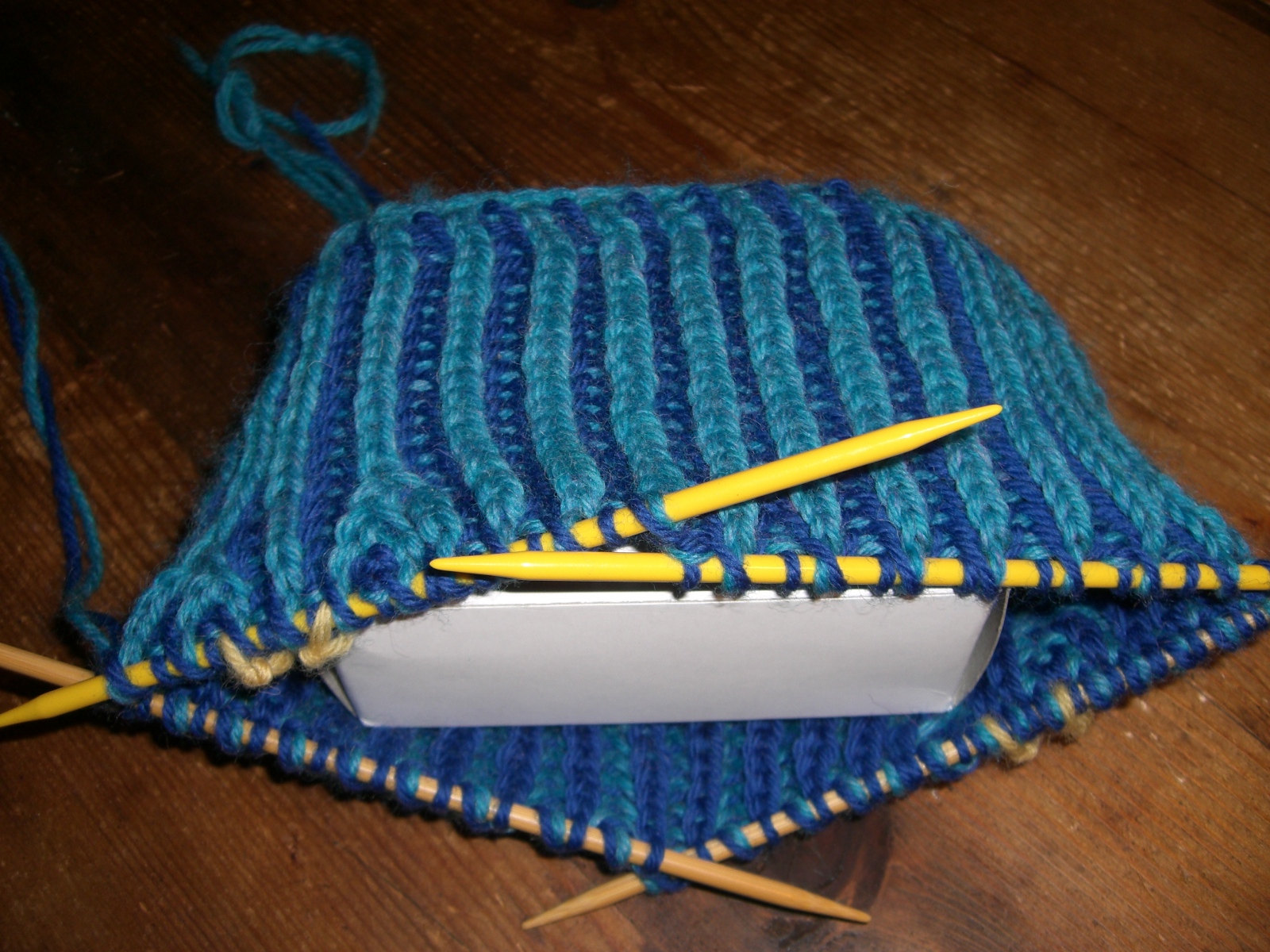
Pattern Adjustment in Polish Context
Sewing patterns available in Polish retail include both Polish-language publications (such as those from Burda Polska) and imported patterns from European and North American publishers. Polish patterns typically use European sizing and metric measurements throughout. When using imported patterns that include inch measurements, all dimensions should be converted to centimetres before taking or comparing measurements to avoid calculation errors when marking adjustments.
Fabric selection for Polish climate and season is also relevant for garment planning. Breathable cotton wovens suit summer garments, while wool and wool blends are appropriate for autumn and winter construction. Understanding how fabric grain, stretch direction, and weight affect the drape of pattern pieces is part of the overall fitting process — a pattern adjusted for a woven fabric will not translate directly to a stretch knit without additional modifications to seam allowances and ease calculations.